The Art of Improvisation
For centuries, improvisation was at the heart of the organist’s craft. From the earliest chant traditions of the Church to the great improvisers of the nineteenth and twentieth centuries, organists have not only interpreted music — they have created it.
Carlos’s artistic work seeks to continue this living tradition. His improvisations draw from Gregorian chant, historical forms, and contemporary musical language, creating performances that are spontaneous, responsive, and rooted in centuries of musical practice.
Whether accompanying worship, interpreting silent film, or presenting concert improvisations, Carlos approaches improvisation as a dialogue between tradition, space, and the present moment.
Research: Revitalizing Improvisation in Sacred Music
Carlos is currently pursuing a Transdisciplinary PhD in Religion and Music at the University of Calgary, where his doctoral research examines the renewal of Gregorian chant improvisation within contemporary Catholic liturgical practice.
His research explores how historic improvisatory traditions — once fundamental to the identity of the organist — can be understood, preserved, and revitalized for future generations. Bringing together historical musicology, liturgical studies, theology, and performance practice, his work considers improvisation not merely as musical invention, but as a form of service, ritual participation, and artistic stewardship.
Through scholarship, performance, and community engagement, Carlos seeks to reconnect contemporary musicians with the creative traditions that shaped the organ’s history.
The Organ in Calgary
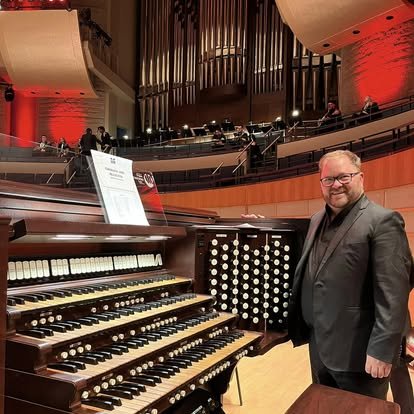
Calgary is home to a remarkable and diverse organ tradition, with instruments ranging from historic church organs to major concert hall installations. As a performer and advocate for the instrument, Carlos is committed to celebrating this heritage and introducing new audiences to the expressive possibilities of the organ.
His work reflects a belief that the organ remains one of the most powerful and versatile musical instruments — capable of carrying centuries of tradition while continuing to inspire new artistic expression.
Teaching and Mentorship
Alongside his performing career, Carlos is passionate about developing the next generation of musicians. With nearly two decades of experience as an educator, he encourages students to develop not only technical skill, but also imagination, curiosity, and a deeper understanding of music as a living art form.
His teaching emphasizes learning to listen, creativity within a framework, historical awareness, and the importance of developing a personal style.
Performance and Collaboration
Carlos brings extensive experience as an organist, conductor, and collaborator, working with choirs, orchestras, ensembles, and solo performers. His performances reflect a broad musical perspective shaped by sacred music, symphonic repertoire, improvisation, and contemporary creativity.
From the cathedral to the concert stage, Carlos’s work is guided by a commitment to musical excellence, tradition, and meaningful connection with audiences.
Carlos Foggin
Organist • Improviser • Scholar
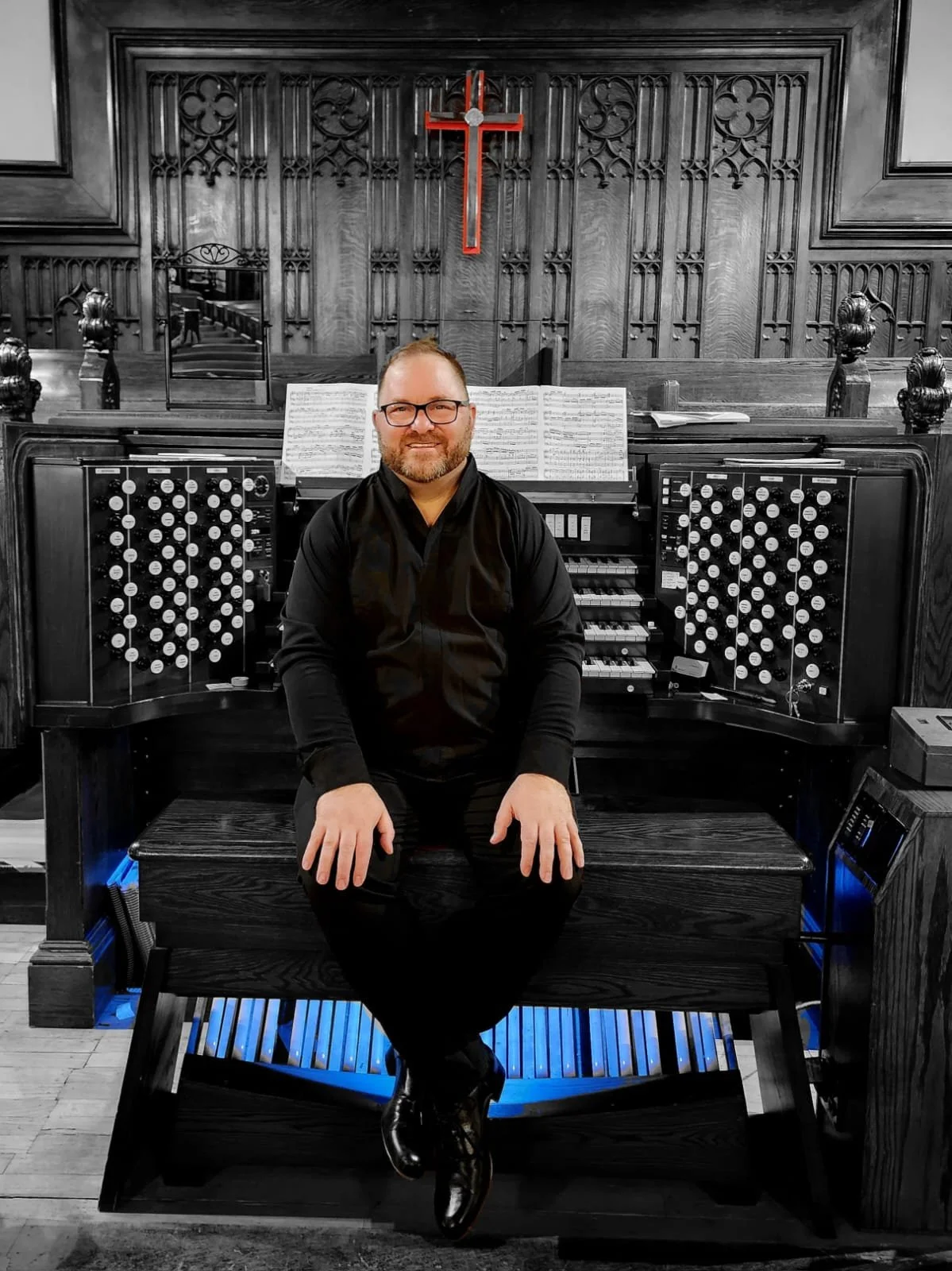
Carlos Foggin is a Canadian organist whose work explores the organ as both a historical instrument and a living artistic voice. Recognized for his performances, improvisations, and commitment to musical tradition, Carlos brings together centuries of organ heritage with a renewed vision for the instrument’s future.
A Fellow of the Royal Canadian College of Organists (FRCCO), Carlos maintains an active career as a recitalist, liturgical musician, educator, conductor, and composer. His work encompasses the concert hall, cathedral, and community spaces, with a particular focus on the art of improvisation and the role of the organist as a creative musical leader.